Debris Cleared Before the Season Starts
Fall and spring cleanups in Laurel for yards that have accumulated leaf buildup, winter debris, and beds that need resetting before mowing begins
A lawn that went into winter under a heavy leaf layer from cottonwood or ash trees comes out in spring with matted turf, dead patches, and beds that need significantly more work before a mower should go over them. Plains Wolf Lawncare, an owner-run crew working across Billings and Laurel, provides fall and spring cleanups that clear that material, tidy beds, and get the property into a condition where regular mowing and sprinkler service can resume. One crew handles the cleanup alongside the mowing and sprinkler work on the same property, so the season's first visit isn't a starting-from-scratch situation for a separate team.
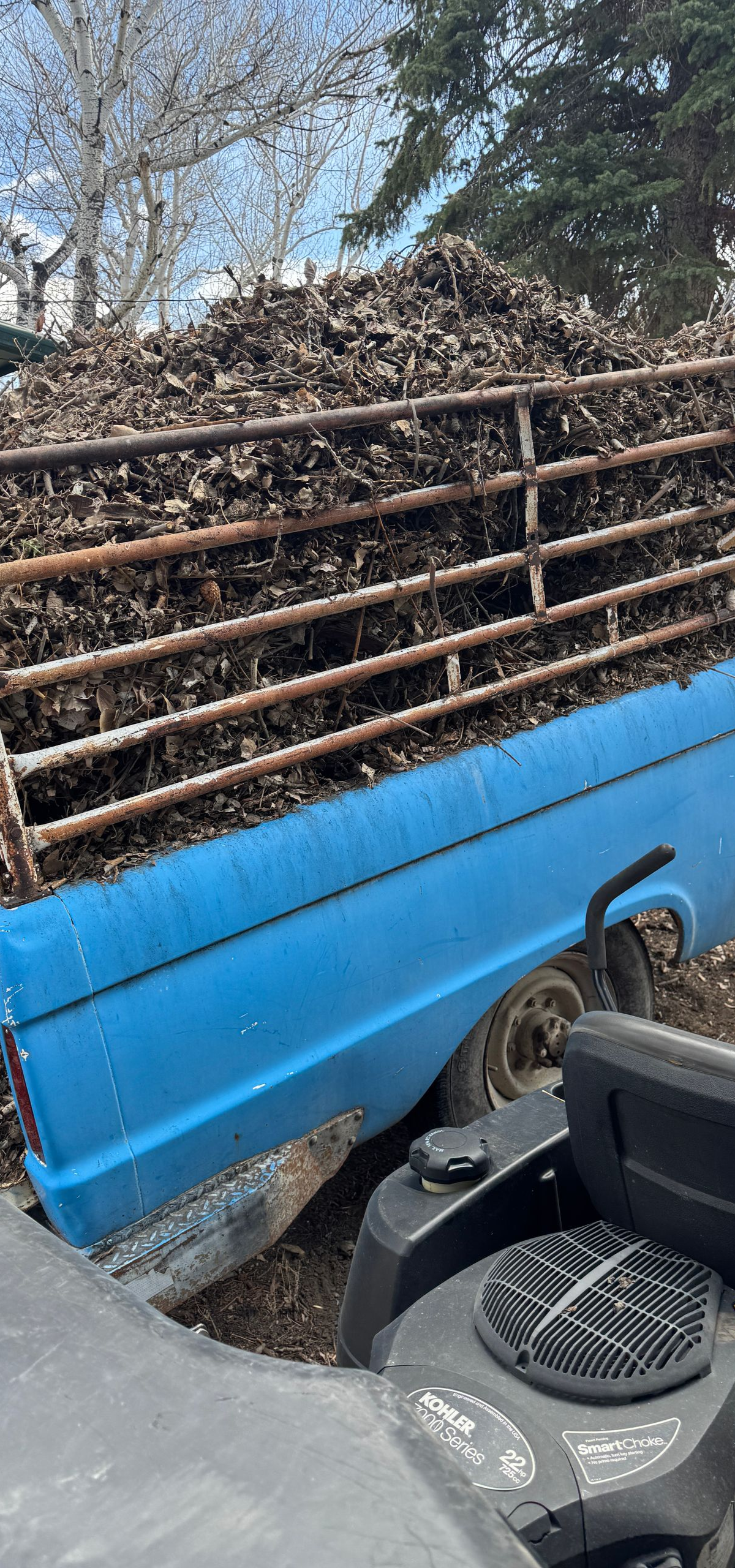
The crew begins by clearing leaves, sticks, and winter debris from the lawn surface and out of the beds, then cuts back dead perennials and redefines bed edges. All collected debris is bagged as part of the cleanup, but hauling it away is not included. Property owners are responsible for arranging removal through their garbage service. On spring passes, the crew also checks sprinkler heads for damage that occurred over winter, since heads that were clipped by a snow blade or heaved by frost pressure won't seat correctly when irrigation starts back up. Yards in West Billings with mature tree canopy and larger lots around Park City tend to accumulate enough leaf volume that a single rake-through doesn't reach the turf, so layered debris has to be lifted and bagged in sections to get the grass underneath.
To schedule a spring or fall cleanup before the season's window closes, request a visit from Plains Wolf Lawncare to assess the current yard condition and scope the work needed.
What a Proper Cleanup Actually Accomplishes
Leaf and debris removal isn't a visual step—it's a functional one. A mat of decomposing leaves sitting on turf through winter creates an oxygen and light barrier that kills the grass beneath it, and those dead zones don't recover on their own once the mat is lifted. Cutting back dead perennials in the fall or early spring keeps the crown of the plant accessible to light and prevents the rotting material from harboring fungal pressure at the base of the planting. Both steps change the condition of the growing surface before the first mow, not just the appearance of the yard.
After a full cleanup pass, the visible changes are immediate: bed edges are defined again, turf surfaces are clear of debris down to the soil level, and walks and drives are swept clean. The less visible outcome is that the grass beneath the cleared area has access to light and airflow again, and the sprinkler heads the crew checked are confirmed to be seated and operational before irrigation is switched on. Plains Wolf Lawncare bags all removed material as part of the cleanup, but hauling it away is not included. Property owners are responsible for arranging debris removal through their garbage service.
Because cleanups are offered as part of the same service that includes mowing and sprinkler work, clients can coordinate the seasonal transition—from cleanup through the first mow to irrigation startup—through one crew rather than separate scheduling calls. That sequencing also means the cleanup crew isn't working around assumptions about what the mowing crew left behind; they're the same people.
Answers About How the Work Is Done
The questions below address how fall and spring cleanup work is actually carried out, including what the crew addresses during each pass and how the work is sequenced for properties with significant debris accumulation.
What does a spring cleanup pass include beyond leaf removal?
In addition to clearing winter debris and leaves from the lawn and beds, the crew cuts back dead perennials, tidies bed edges, and checks sprinkler heads for damage from winter frost or equipment contact. This combination gets the property ready for mowing and irrigation rather than just clearing the surface.
How is leaf debris removed from beds without disturbing the plantings underneath?
The crew works through beds by hand to lift and bag debris without pulling up bulb foliage or disturbing perennials that are just beginning to emerge. Mechanical blowing is used on the open lawn areas, but beds with established plants are cleared more carefully to avoid damaging what's coming up.
Why does debris need to be hauled off the property rather than left in a corner or composted on site?
Leaving large volumes of leaf material in the yard can create a secondary problem as it breaks down and spreads back into cleared areas, beds, and fence lines. As part of the cleanup, Plains Wolf Lawncare bags the collected debris, but hauling it away is not included in the service. Property owners are responsible for arranging removal through their garbage service.
How does the crew handle sprinkler head inspection during a spring cleanup on Laurel-area properties?
Each head is visually checked for physical damage and confirmed to be at the correct grade relative to the turf surface. Heads that were heaved or clipped over winter won't rotate or seal correctly when irrigation is activated, and identifying them during the cleanup visit avoids the first irrigation run exposing the problem mid-season.
When is the fall cleanup best timed relative to leaf drop and the end of the mowing season?
The fall cleanup is most effective after the majority of leaf drop has occurred rather than mid-drop, so the crew isn't clearing half the leaves from cottonwoods and ash trees only to have the second half come down the following week. Timing it correctly on properties with heavy canopy reduces the likelihood of a follow-up clearing visit being needed.
Plains Wolf Lawncare also provides
fall and spring cleanups in Joliet, Laurel, Park City, Hesper, and Huntley. To arrange a cleanup and coordinate it with your mowing and sprinkler schedule for the season, contact the crew directly with your property details.