
Bare Patches Seeded to Match the Surrounding Lawn
Lawn seeding in Laurel and the surrounding Yellowstone County area for thin and bare areas where compacted fill beneath the surface prevents new grass from establishing without soil preparation first
What shows up as a bare patch in a Billings-area lawn is often a soil problem as much as a seed problem. Many lots across the area sit on compacted fill placed during older residential development—ground that was graded and covered without significant amendment, and that has compressed further under decades of foot traffic and mowing. Seed spread over that surface germinates slowly if at all, because the root zone doesn't have enough open structure to hold moisture at the seed-to-soil contact point. Plains Wolf Lawncare seeds lawns across Laurel and surrounding communities, and as a small, owner-run crew, the seed mix and preparation are chosen for the specific yard rather than a standard program applied uniformly to every job.
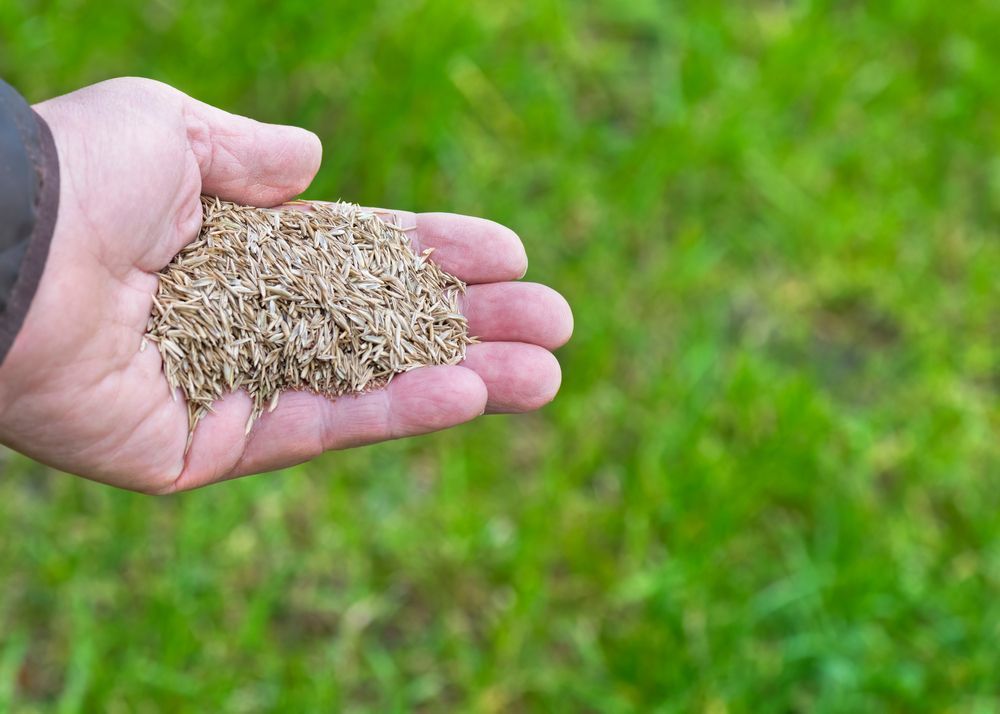
Preparation starts with raking or dethatching the area to expose mineral soil, followed by loosening compacted thin spots before seed goes down. Seed is spread at the rate appropriate for the chosen mix, then lightly raked to push it into direct contact with soil—loose seed sitting on thatch or dry surface material won't establish regardless of watering. The seeded area is kept consistently moist through the germination window, and the timing of the job is chosen to give the chosen grass variety the growing window it needs to root before the lawn returns to regular maintenance traffic.
Set up a yard assessment to identify whether thin areas need soil loosening before seeding or whether surface preparation alone will be enough.
What Lawn Seeding Actually Accomplishes
Seeding and preparation are two separate decisions. The seed mix is selected based on the turf type already in the yard, the sun exposure of the area being repaired, and whether the goal is a full-yard reseed or a patch repair that needs to match existing grass color and blade width. A mix that germinates quickly but doesn't match the surrounding turf leaves a visible repair line that persists through multiple mowing seasons. Getting the match right at the selection stage is what makes the finished lawn read as consistent rather than patched.
After the new grass establishes, the repaired areas fill in without visible edges, the lawn holds consistent density across previously bare sections, and compacted spots that were browning out under normal mowing traffic hold color through regular use. Because Plains Wolf Lawncare handles seeding alongside mowing, cleanups, and native lawn conversions, a yard that needs both bare-patch repair and a partial transition to low-water grass types can address both in one service engagement rather than coordinating two separate crews.
Full-yard reseeds and partial patch repairs follow the same preparation sequence—the difference is scale, not method. Both involve loosening, seed-to-soil contact, and a consistent moisture window through germination. What changes is how the seed mix is chosen and whether the existing turf in the surrounding area needs any surface preparation to match the new seeding rate.
Questions Before Starting Your Project
The questions below address how lawn seeding is actually carried out—what soil preparation involves, how the seed mix is chosen, and what the lawn looks like once new grass is established in Ulm-area yards where compacted fill is a common underlying condition.
What does loosening compacted soil before seeding actually involve?
Thin or bare spots are raked or aerated to break up the compressed surface layer so the seed has enough open soil structure to make contact and hold moisture during germination. Skipping this step on compacted fill means seed sits on a surface it can't root into.
How is the right seed mix chosen for a patch repair versus a full reseed?
For patch repairs, the mix is matched to the variety already growing in the surrounding lawn so the repaired area blends in rather than showing a distinct line. Full reseeds allow more flexibility in variety selection based on sun exposure and intended traffic level.
Why does seed-to-soil contact matter more than seeding rate?
Seed that lands on thatch, dead material, or a dry crust doesn't germinate consistently even if the moisture and temperature are right. Raking seed lightly into exposed soil after spreading is what creates the contact point where germination actually happens.
How long does the seeded area need to stay moist after the work is done?
New seed needs consistent surface moisture through the germination window, which varies by variety but typically requires light, frequent watering rather than deep infrequent cycles. The crew sets expectations for that schedule at the end of the job based on the mix selected.
What does a successfully seeded lawn look like once the grass establishes?
Repaired areas fill to the same density as the surrounding turf, bare lines disappear within the first full mowing cycle after establishment, and previously compacted spots hold consistent color rather than thinning out again under normal traffic.
Plains Wolf Lawncare also seeds lawns in Laurel, Park City, Hesper, Joliet, and Huntley. To get started, schedule a yard walkthrough so the crew can assess soil condition and identify which areas need preparation before seed goes down.