
Dry Zones Traced Back to the Actual Fault
Sprinkler system repair in Laurel and the surrounding Yellowstone County area for broken heads, leaking valves, dead zones, and controller problems across systems of any age
A dry patch in the middle of a lawn usually points to one of three things: a broken head, a clogged nozzle, or a line that shifted. In older West Billings and Laurel yards, where sprinkler lines have been in the ground for decades of settling, the answer is frequently a broken or separated line rather than a surface-level head problem. Plains Wolf Lawncare repairs sprinkler systems across Laurel and the surrounding area, and the owner-run crew works on systems of any age—which means a repair is done by people who know how to read what an older system is telling them rather than defaulting to full replacement.
The repair process starts by running each zone to locate the fault before any digging happens. Once the zone and approximate location are confirmed, the crew opens only the section where the leak or break is present—not the whole line. The damaged section is replaced with matching pipe and fittings rather than patched, because a patch on aged poly or PVC under active water pressure typically fails again within one or two seasons. Heads are tested for spray pattern and coverage arc before the repair is closed, so the zone is confirmed working at the surface before the ground is backfilled.
Arrange a zone-by-zone diagnostic to identify what the system is actually doing before any repair work begins.
Why Sprinkler Faults Happen and How to Stop Them
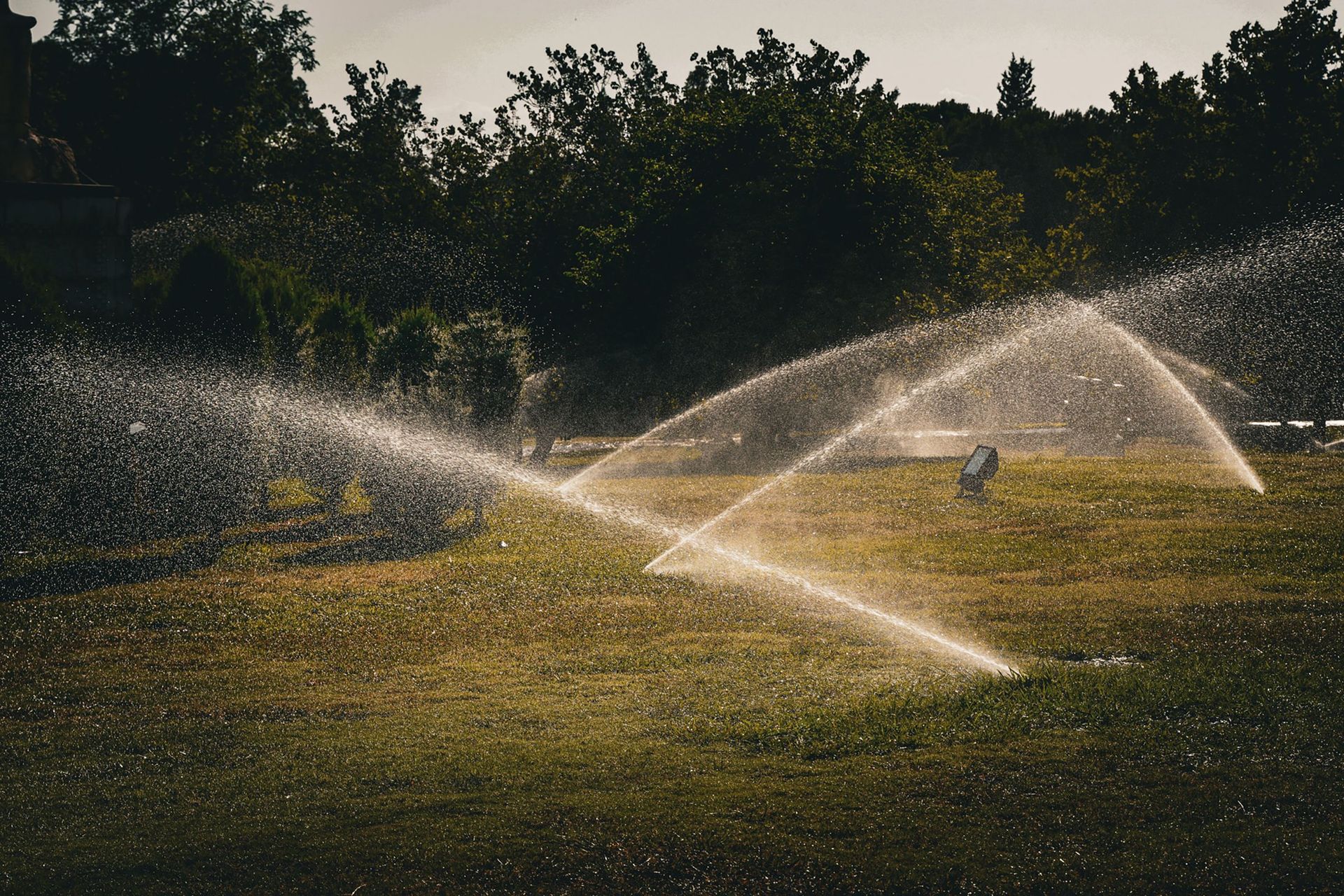
Most sprinkler failures in established yards fall into a predictable sequence: a line shifts slightly at a fitting as soil around it settles, the fitting works loose over repeated pressure cycles, and the zone starts losing pressure at the far heads before any visible surface sign appears. By the time turf shows a dry strip, the line has usually been seeping at the joint for more than one season. Identifying that kind of fault requires running the zone under pressure and reading the head performance at the end of the run—not just inspecting heads at the surface.
After repair, the zone runs at consistent pressure from the first head to the last, arc patterns are uniform, and the formerly dry area receives the same coverage as the rest of the lawn. Plains Wolf Lawncare also handles controller problems and valve faults—so if a zone isn't triggering from the timer rather than failing from a line break, that diagnosis is part of the same service call rather than a separate visit.
The repair is closed only after each zone affected by the fault has been run and confirmed at the surface. If the system has multiple problem zones, those are addressed in sequence during the same visit where access allows, rather than scheduling separate trips for each fault location.
Answers About How the Work Is Done
The questions below cover how sprinkler repairs are diagnosed and completed—what the crew looks for, why certain methods are used over others, and what a finished repair looks like in older Ulm-area yards.
How is a dead zone diagnosed before any digging begins?
The crew runs each zone individually under normal operating pressure and watches head performance across the full arc. Low pressure at the far heads, no activation, or wet ground over a dry arc each point to different fault types and different dig locations.
Why is a broken section replaced rather than patched?
A patch on an aged line holds pressure temporarily but the surrounding pipe material is already fatigued at that section. Replacing the damaged segment with matching pipe and fittings removes the weak point rather than covering it.
What causes sprinkler lines in older West Billings and Laurel yards to shift over time?
Decades of soil settlement around the pipe compress fittings at joints, and repeated pressure cycles work those joints loose gradually. Lines in yards developed in the 1970s through 1990s are at the age where that movement shows up as dead zones rather than visible surface damage.
How are spray pattern and arc confirmed after a repair is made?
Each repaired head is run at operating pressure and the arc is observed from multiple angles before backfill. The crew checks that the pattern reaches the intended coverage boundary and doesn't spray across hardscape or miss a strip between adjacent heads.
What happens if the controller rather than the line is causing the zone failure?
Controller and valve faults are diagnosed in the same visit as line and head checks. If a zone doesn't trigger from the timer, the crew traces the fault to the controller output, the valve solenoid, or the wiring run before concluding the line is the problem.
Plains Wolf Lawncare also
repairs sprinkler systems in Park City, Laurel, Hesper, Joliet, and Huntley. To get the system diagnosed and repaired in one visit, schedule a zone-by-zone inspection so the crew can identify every fault before the first trench is opened.